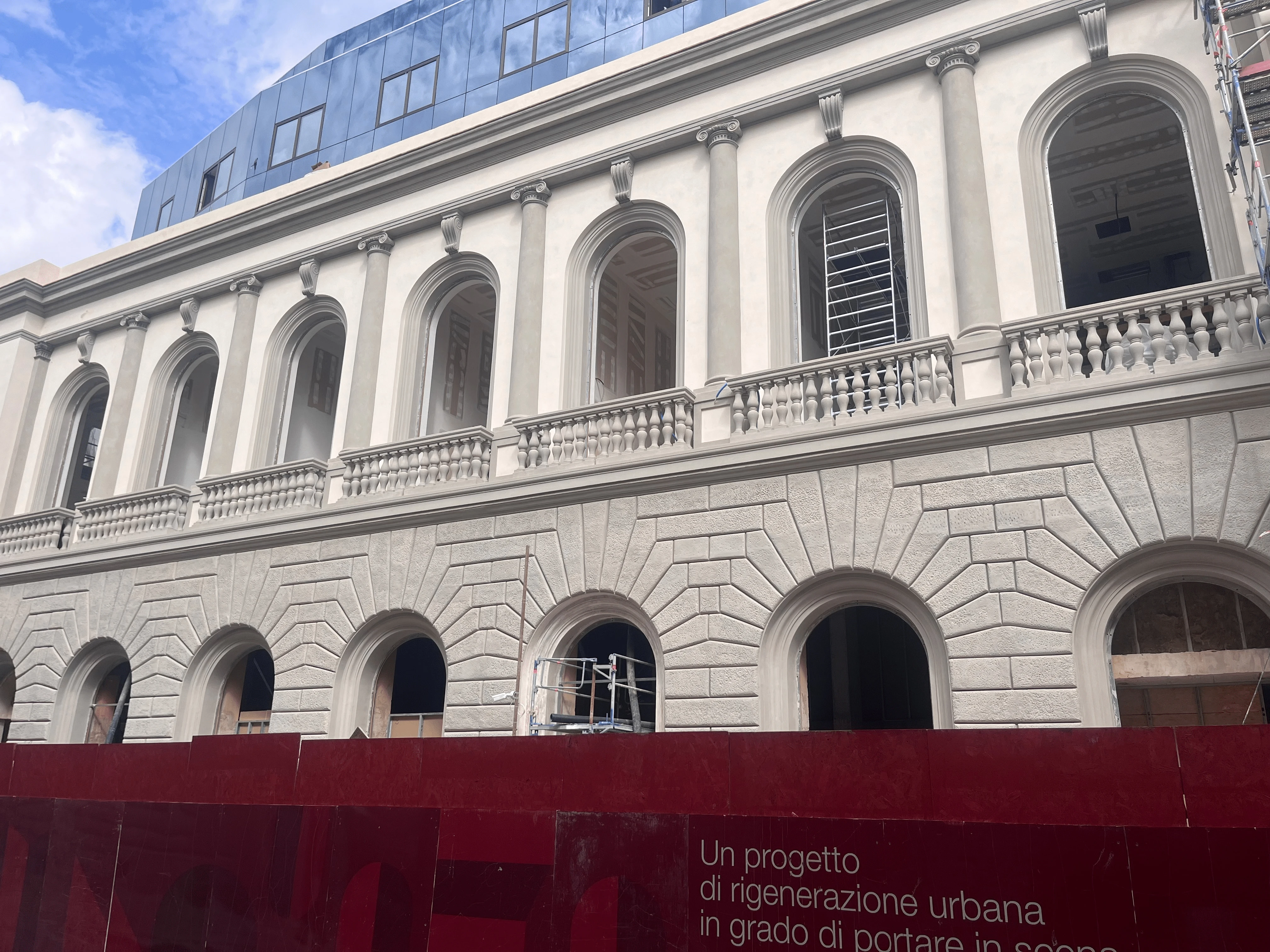
CORSO ITALIA - FIRENZE
TEATRO COMUNALE
CONSERVATIVE RESTORATION AND EXTRAORDINARY MAINTENANCE OF FACADES
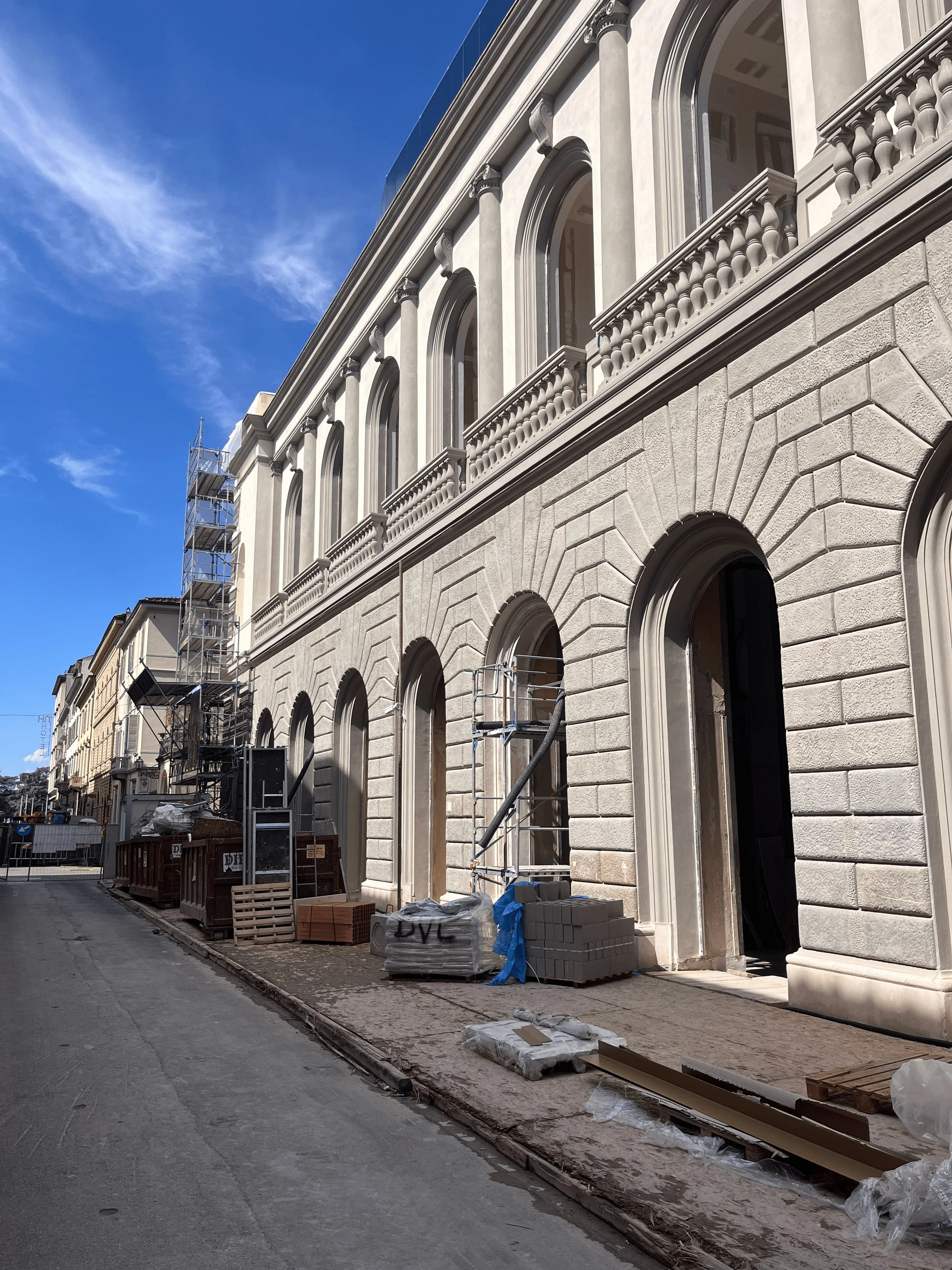
The project was aimed at the conservative restoration and extraordinary maintenance of the facades.
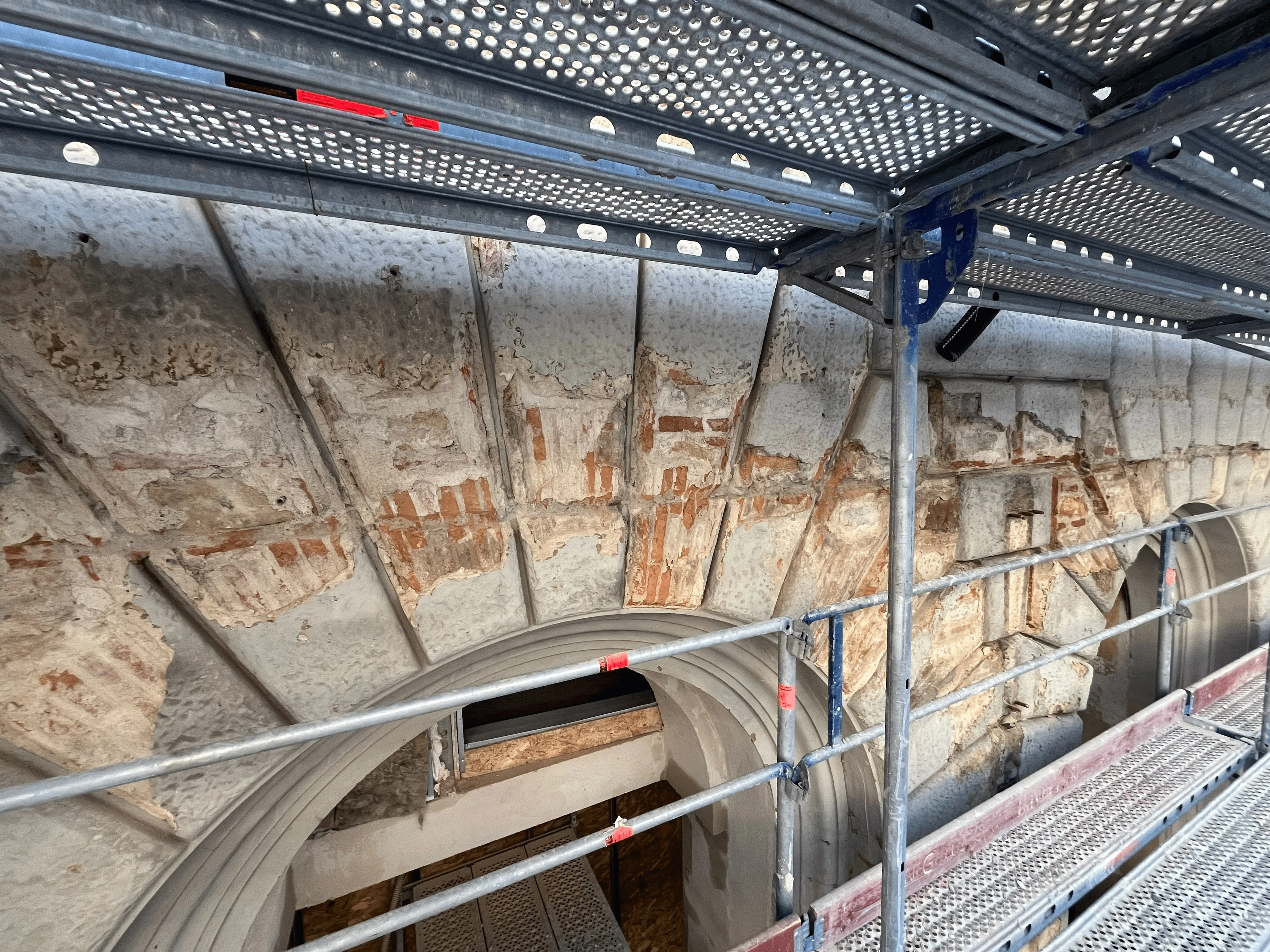
Operational Phases of the Restoration
1. Stratigraphic Tests
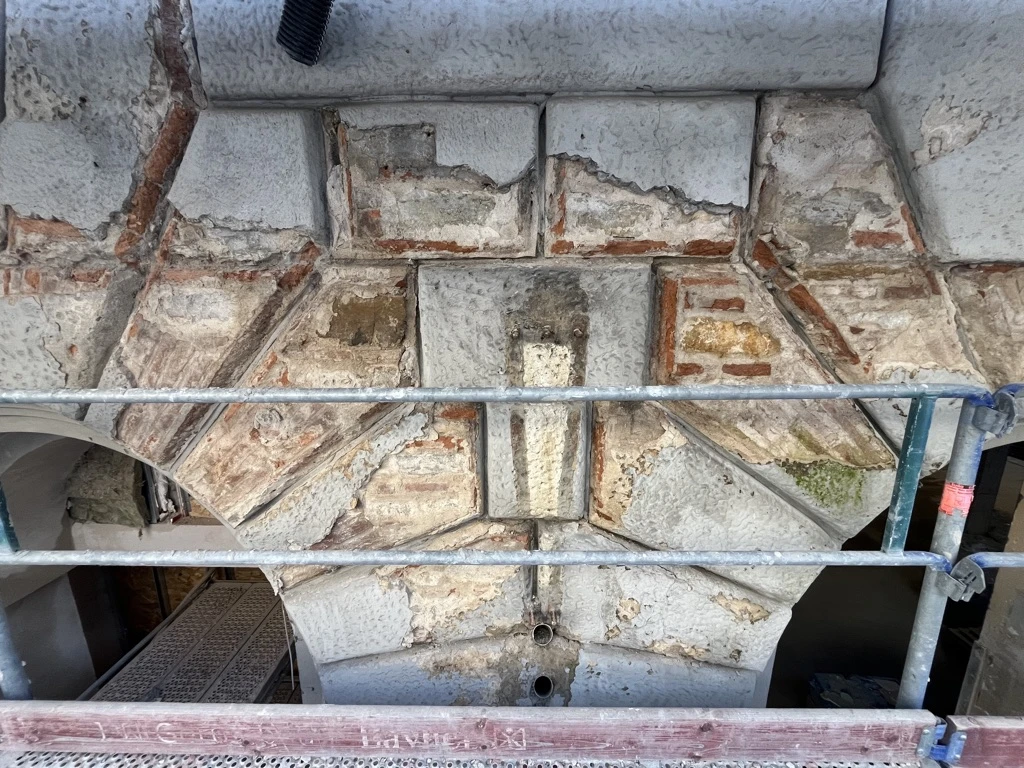
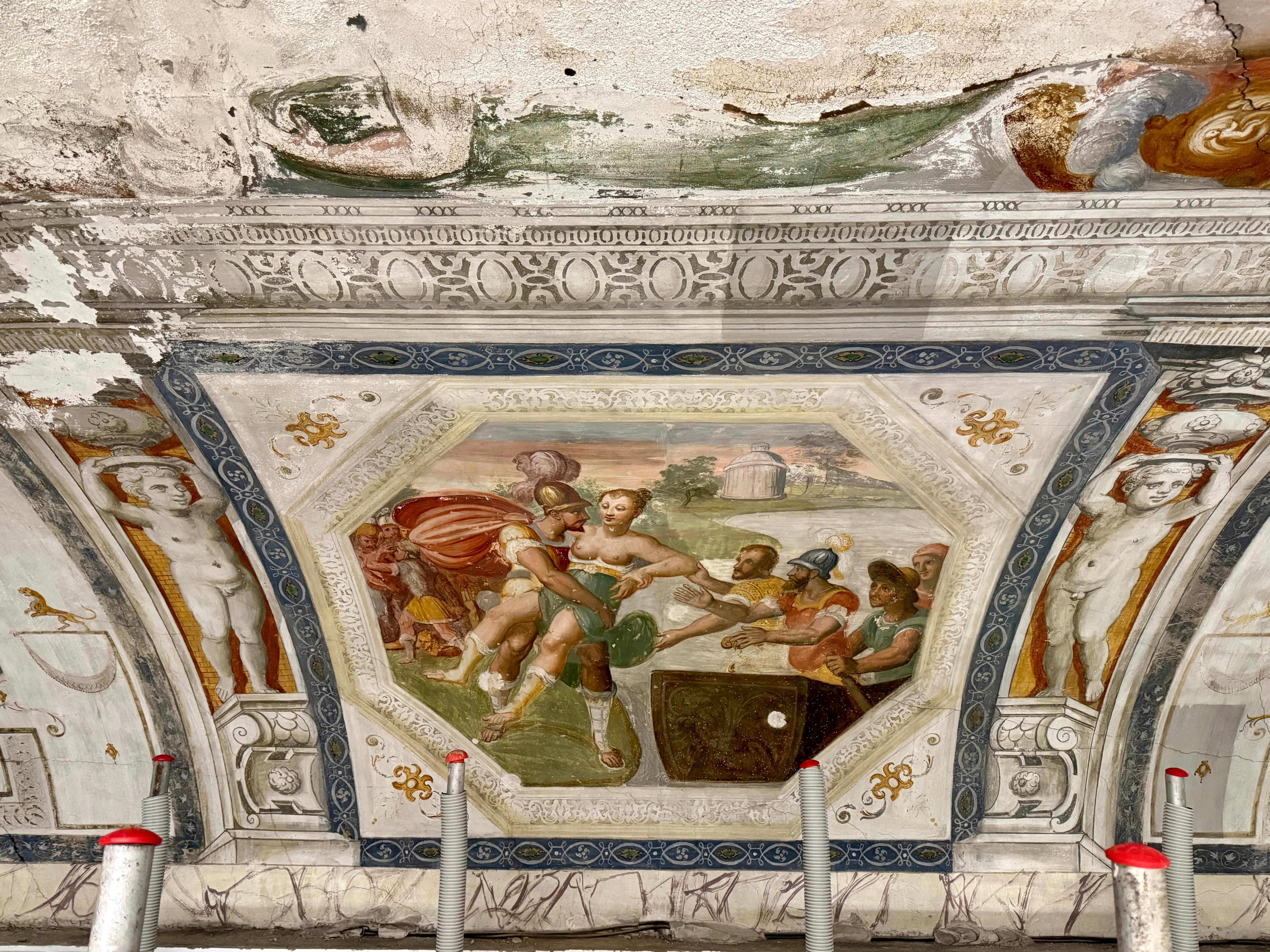
Execution of stratigraphic investigations to read the historical phases and define the original arrangement of the building.
2. Preventive Safety Measures
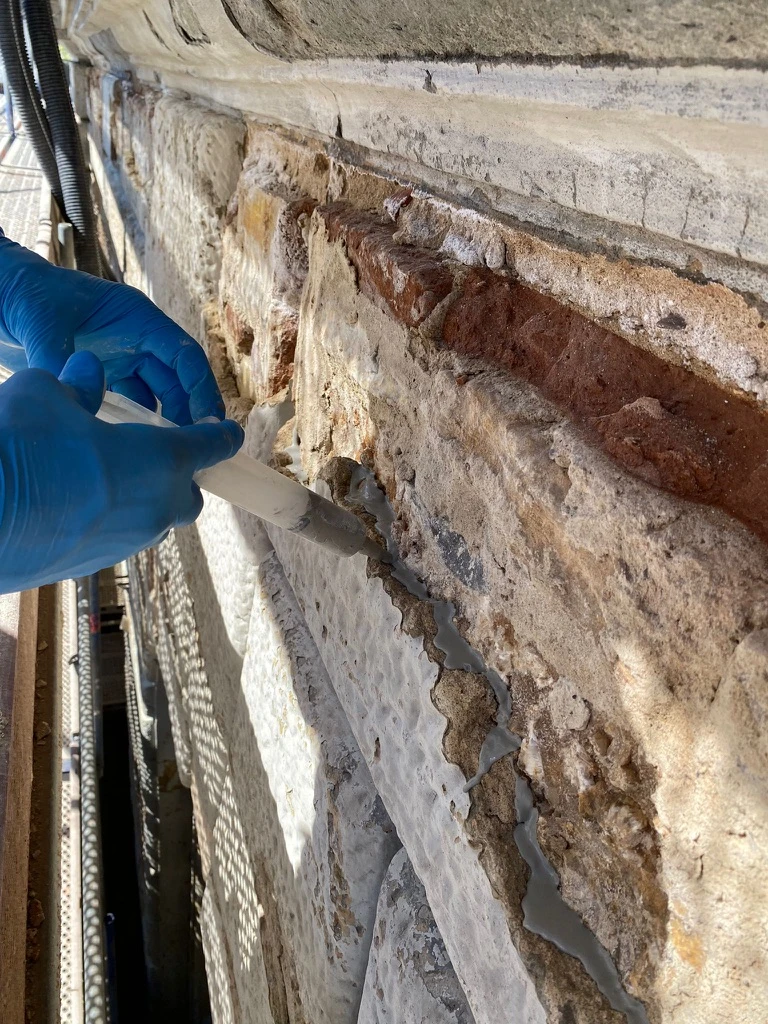
Localized anchoring using fiberglass rods with enhanced adhesion and stainless steel to stabilize elements at risk of falling or in a state of detachment.
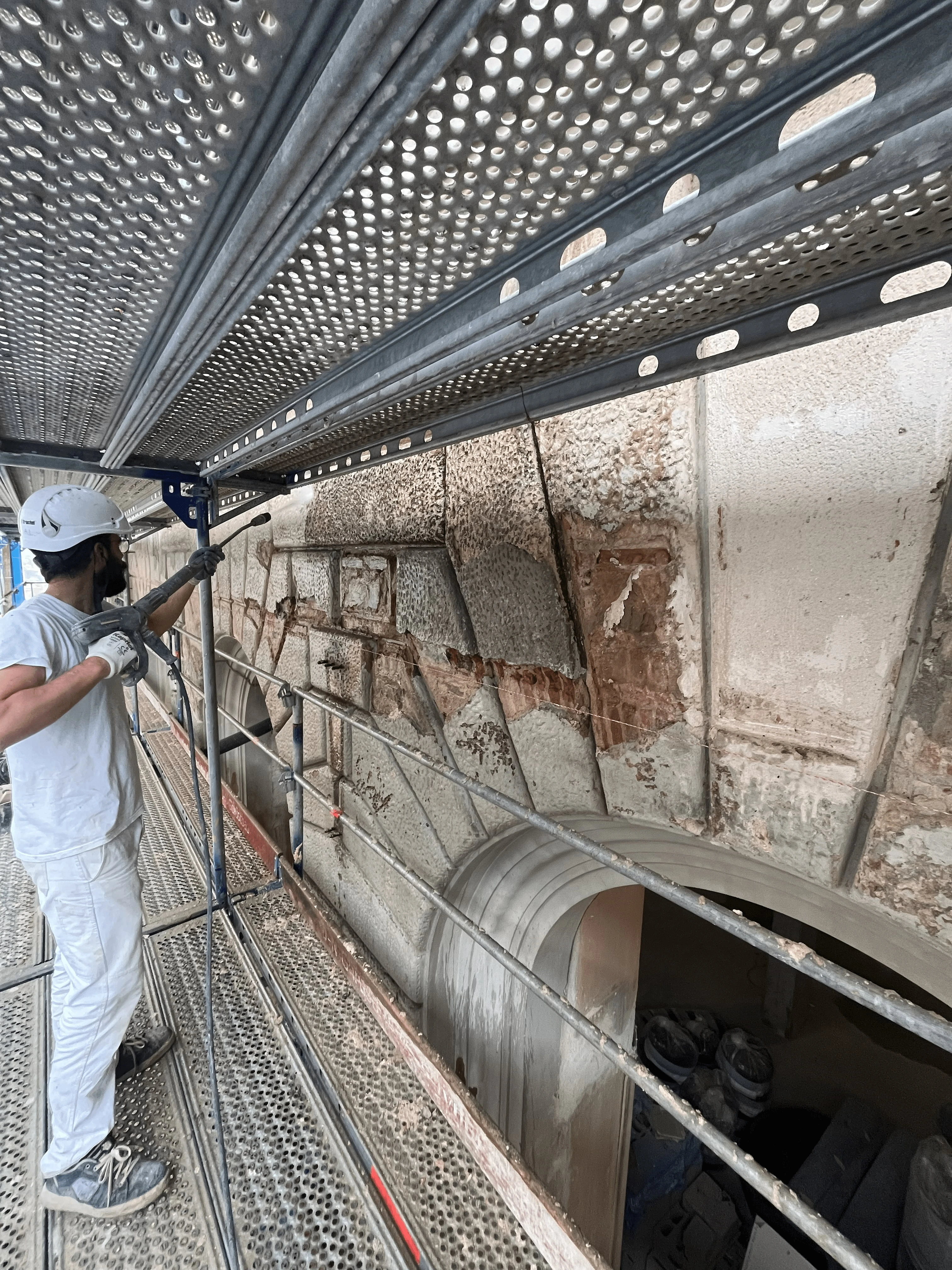
3. Cleaning of Surfaces
Intervention using low-pressure hot water and poultices with paper pulp and ammonium carbonate for the controlled removal of black crusts and adherent patinas.
4. Cortical and Structural Consolidation
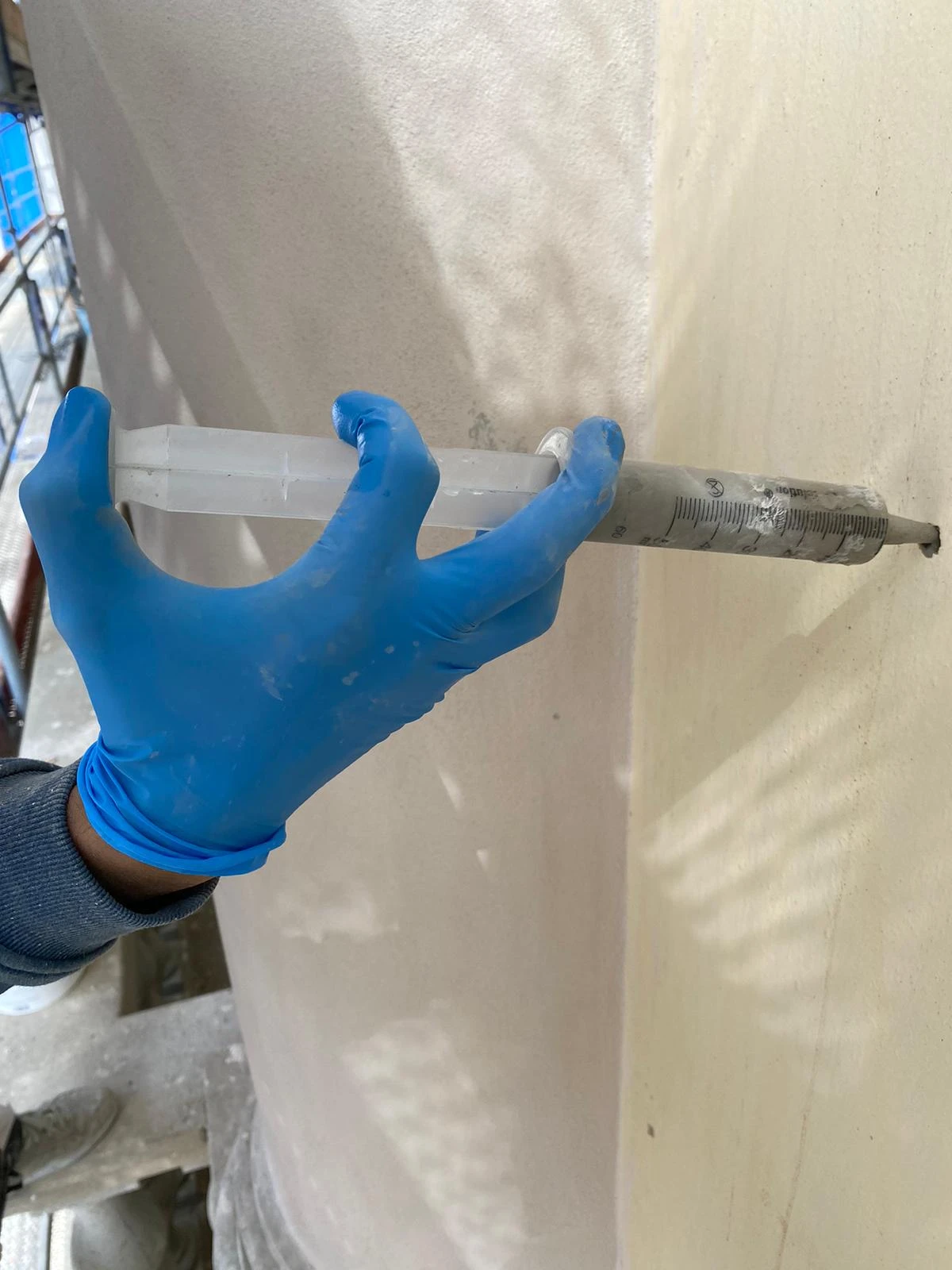
Application of ethyl silicate for superficial consolidation and insertion of carbon fiber pins (15–20 cm) to restore the connection between plaster, stone, and sound masonry.
5. Stuccoes and Architectural Reconstructions
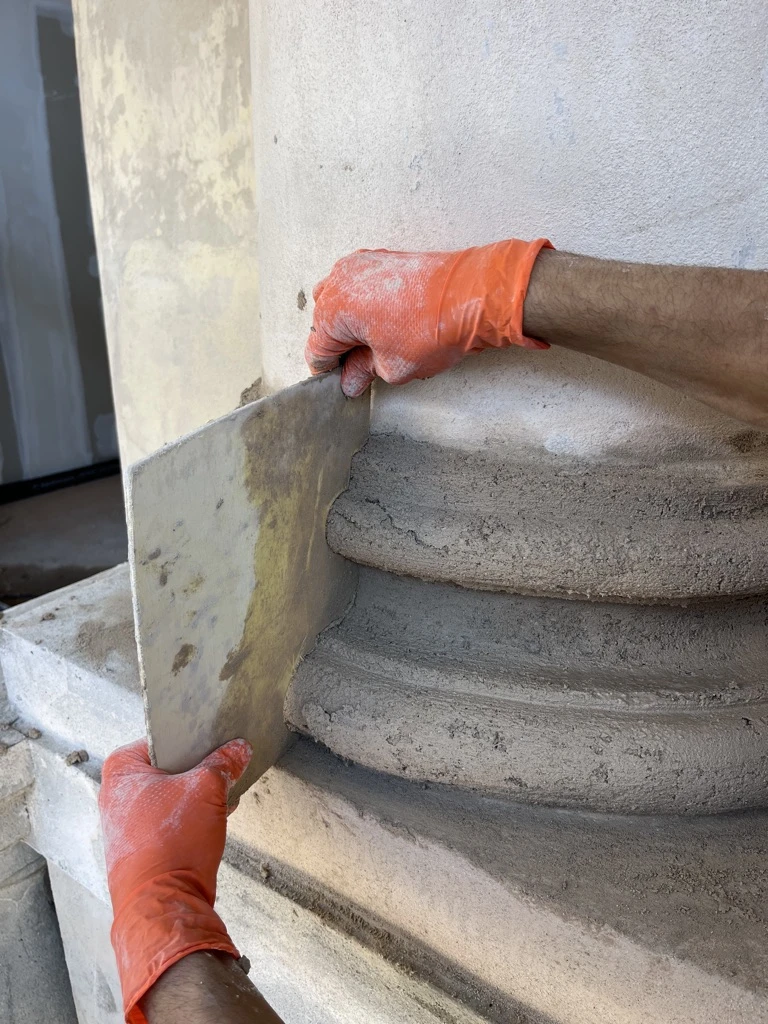
Restoration of lacunae with in-situ prepared mortars (lime, marble powder, and selected sand) and faithful reconstruction of decorative elements using molds and casts.
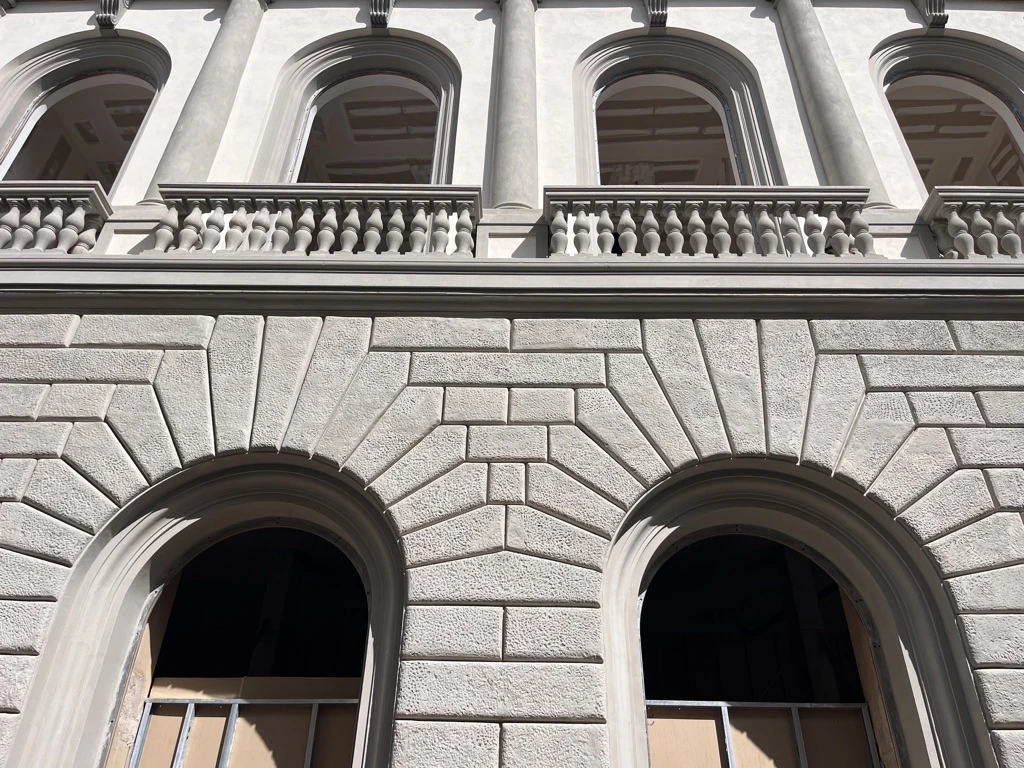
6. Silicate Finishing
Application of finishing in two layers to ensure breathability, color uniformity, and durability of the intervention.
Specifically, in the faux rusticated band, made to imitate sandstone, the silicate finishing was executed with precise chromatic and textural modulation to recreate the visual effect of natural stone, enhancing the plasticity and articulation of the simulated blocks.