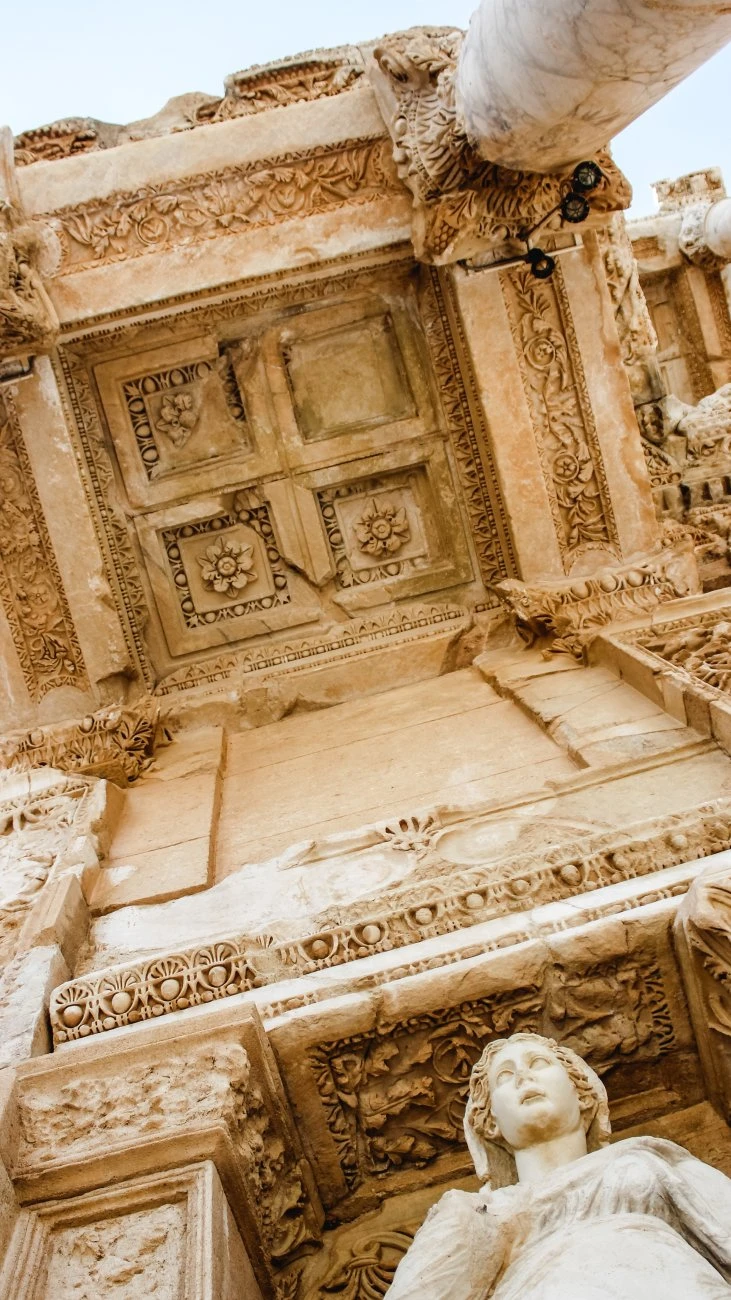
Architectural Restoration and Conservation
Dima – Historic Architecture Restoration
Dima specializes in the restoration and preservation of historic buildings, always working with careful attention to their urban and environmental context. Every project is guided by a deep understanding of the original identity of the architecture, respecting its materials, forms, and historical layers.
Before any intervention, we carry out a thorough analysis of the structure and materials to define restoration methods that are durable, compatible, and minimally invasive, following the principles of minimal intervention, compatibility, and reversibility.
Our goal is to safeguard the authenticity and readability of each work, preserving its aesthetic, material, and functional balance, while allowing contemporary use without erasing the memory of the past.
Every project combines technical expertise with cultural sensitivity, resulting in architecture that is authentic, long-lasting, and contextually respectful, where history and art continue to engage with the present.
Each intervention combines technical expertise with cultural sensitivity, delivering authentic and long-lasting architecture that respects its context, where history and art continue to dialogue with the present.
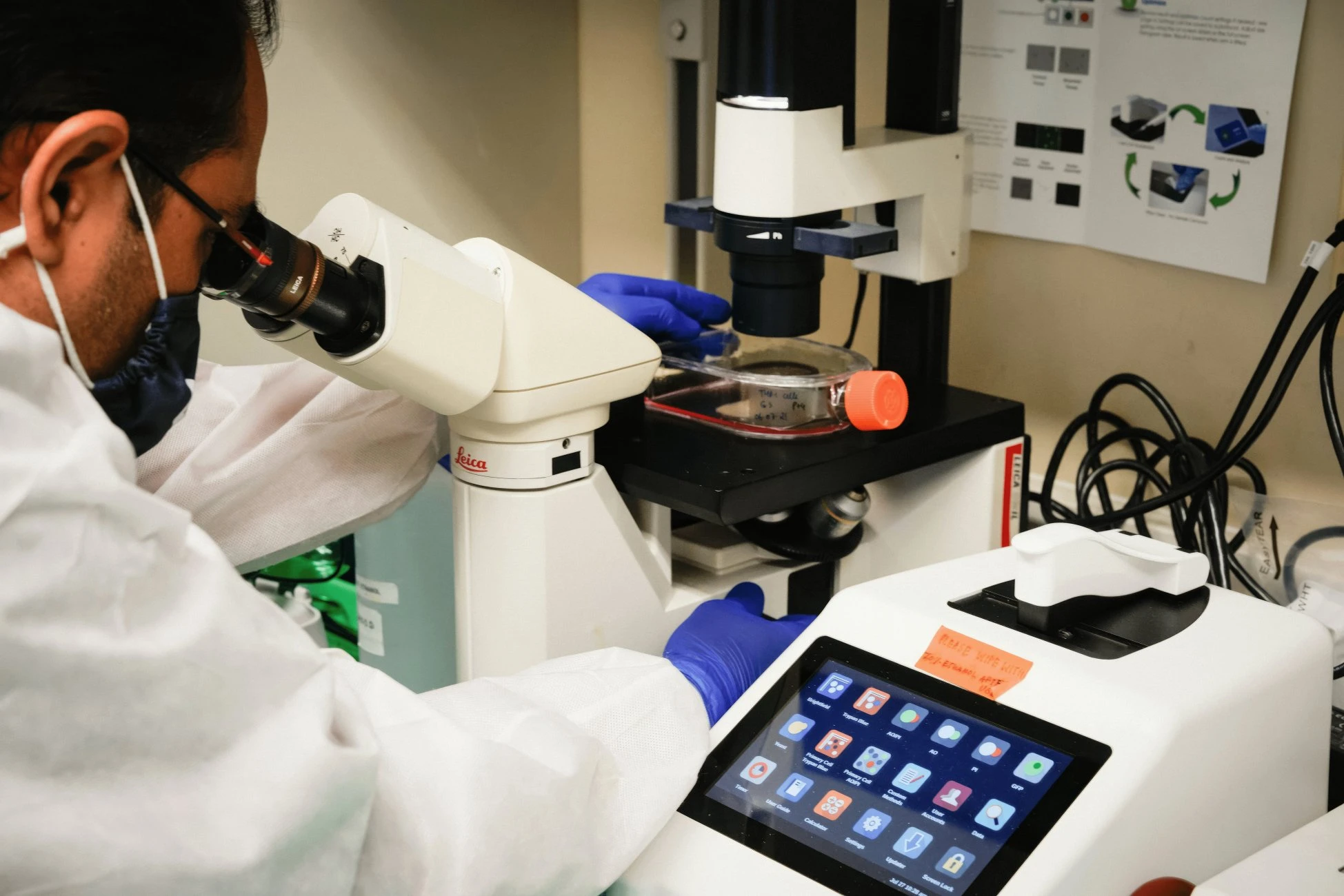
1. DIAGNOSTICS AND PRELIMINARY SURVEYS
Dima – Historic Architecture Restoration
Dima specializes in the restoration and preservation of historic buildings, always working with careful attention to their urban and environmental context. Every project is guided by a deep understanding of the original identity of the architecture, respecting its materials, forms, and historical layers.
Before any intervention, we carry out a thorough analysis of the structure and materials to define restoration methods that are durable, compatible, and minimally invasive, following the principles of minimal intervention, compatibility, and reversibility.
Our goal is to safeguard the authenticity and readability of each work, preserving its aesthetic, material, and functional balance, while allowing contemporary use without erasing the memory of the past.
Every project combines technical expertise with cultural sensitivity, resulting in architecture that is authentic, long-lasting, and contextually respectful, where history and art continue to engage with the present.
Each intervention combines technical expertise with cultural sensitivity, delivering authentic and long-lasting architecture that respects its context, where history and art continue to dialogue with the present.
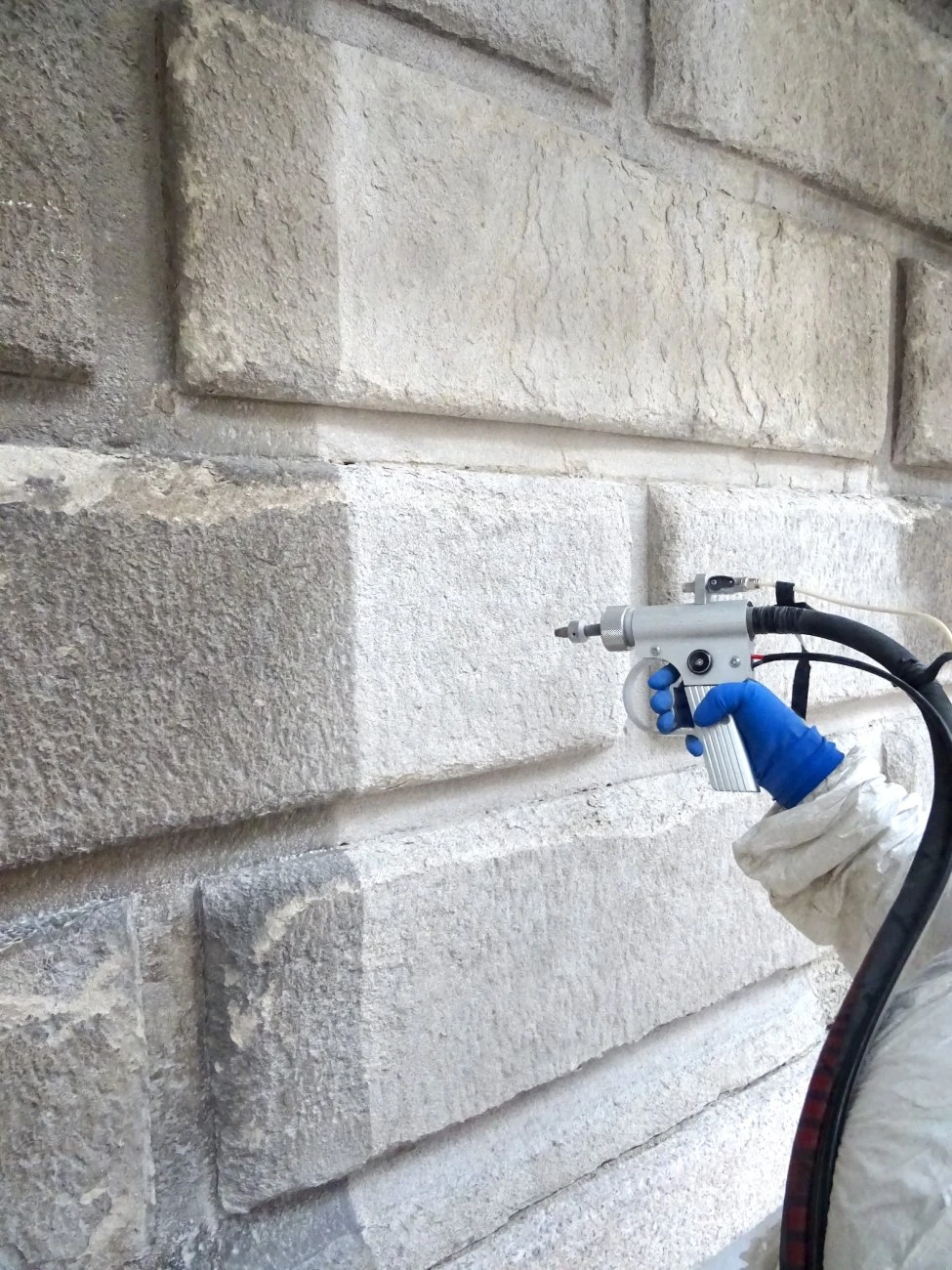
2. CLEANING
Cleaning of historic surfaces is a crucial step in preserving materials. It must be carried out carefully, removing dirt, patinas, and encrustations without altering the original material or compromising the historical readability.
The choice of the most suitable method is based on preliminary sampling, allowing us to identify the safest and most effective technique for each type of material. Dima employs state-of-the-art tools, including advanced lasers, micro-sandblasting equipment, and other professional instruments, combined with selected chemical methods.
Thanks to the use of constantly updated materials and techniques, every intervention is effective, safe, and respectful of the integrity of historic surfaces.
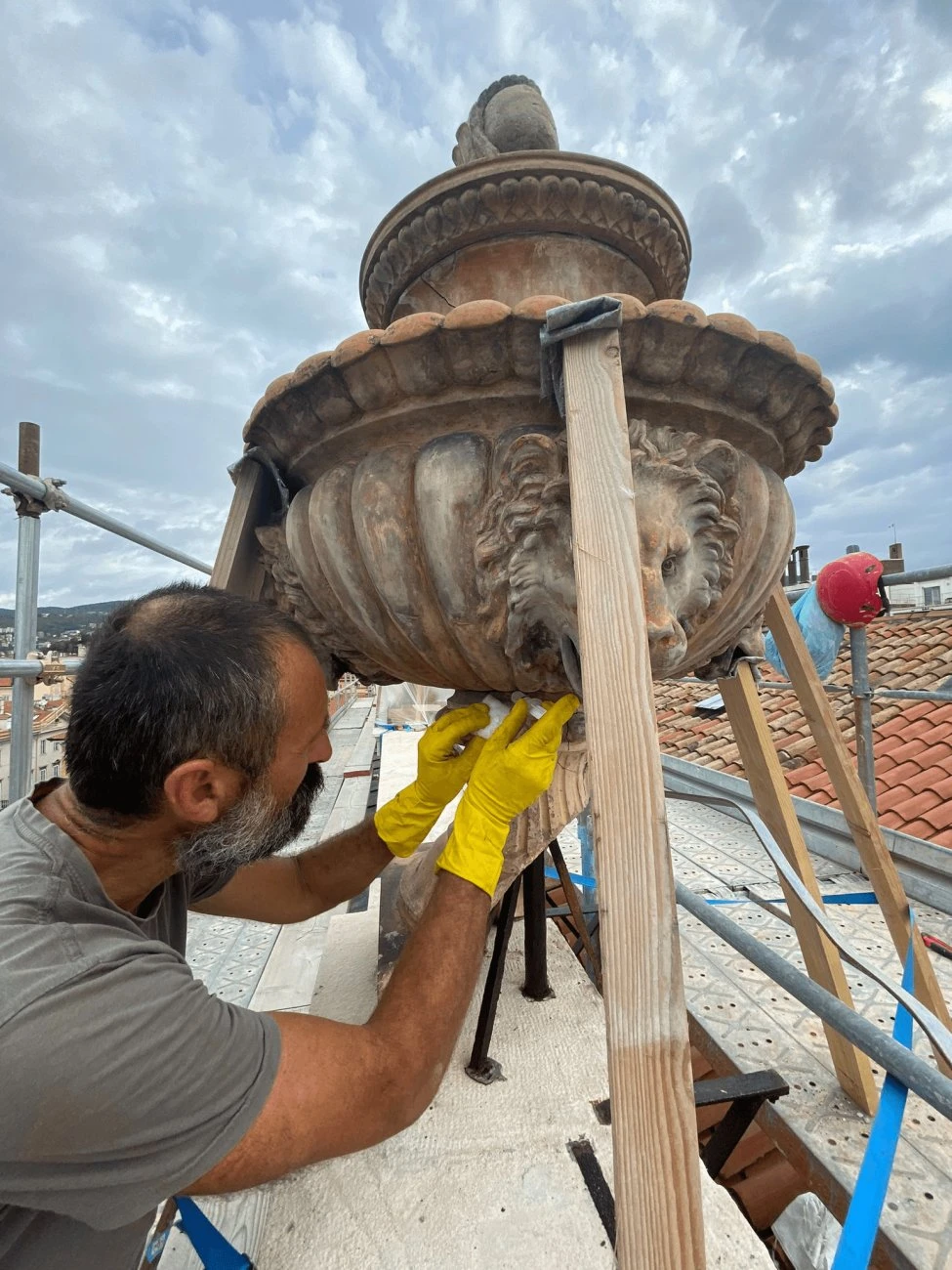
3. CONSOLIDATION
Consolidation addresses the need to restore stability and the physical-mechanical properties of artifacts affected by degradation.
Dima carries out interventions using specific procedures, tools, and materials, designed to enhance the cohesion and adhesion of stone and other materials.
The solutions adopted are technologically advanced and tailored to the characteristics of each artifact, ensuring effective, long-lasting interventions that respect the historical integrity of the work.
4. INTEGRATION AND PROTECTION
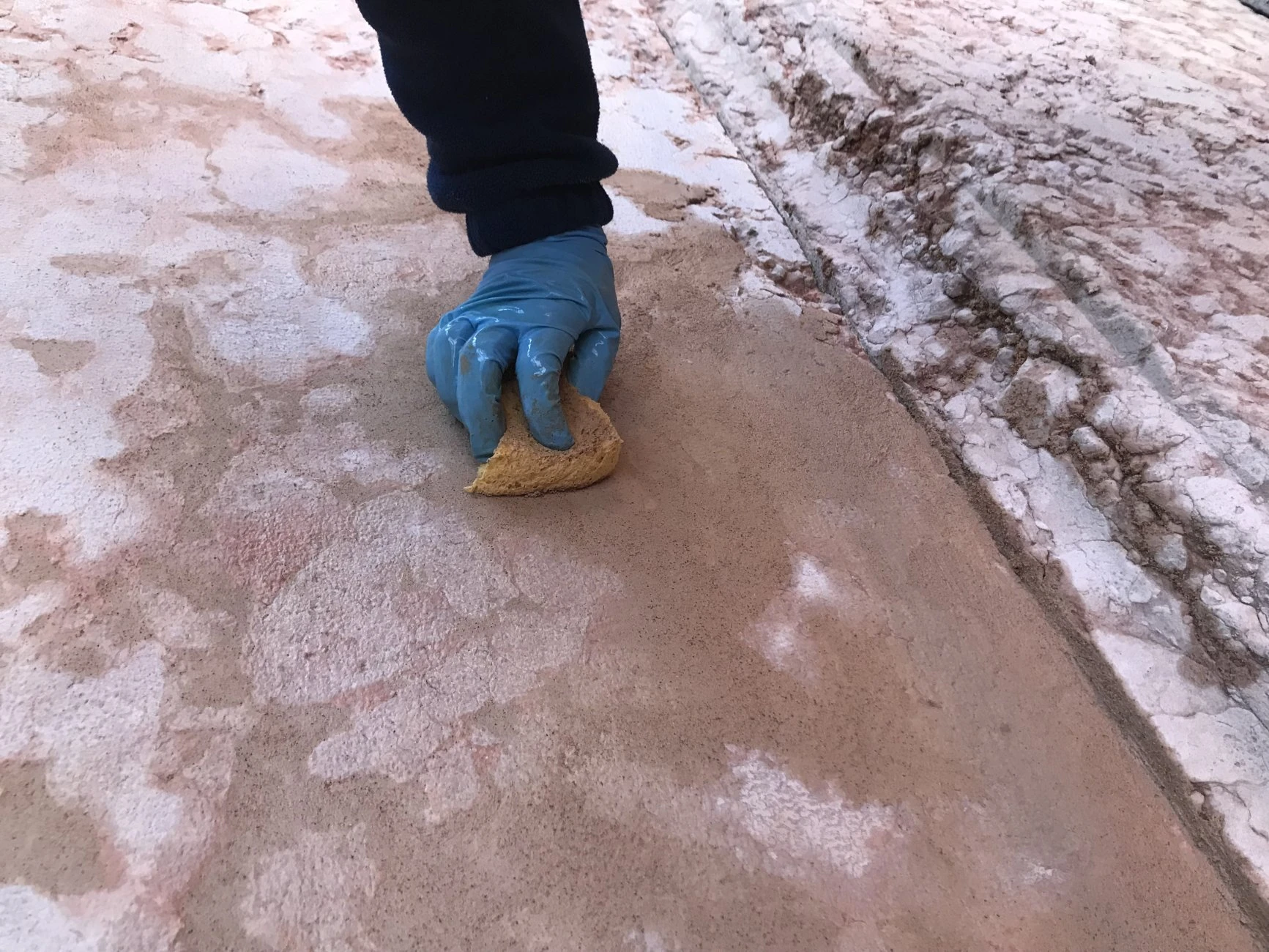
The intervention aims to restore structural continuity and make the surface more stable and legible. All operations are carried out using materials compatible with the originals, while aesthetic choices—including the level of filling, surface treatment, texture, and color tone—are assessed case by case, with reversibility as a fundamental principle.
After pictorial reintegration, when necessary, a final protective treatment can be applied using pre-tested, compatible products, designed to safeguard the painted surface from future degradation and ensure long-term durability and stability.